Building Safer Schools: How Anti-Slip Stair Nosing is Transforming UAE Educational Spaces
Stairs in schools and universities become a risk point every day: hundreds of feet, dozens of backpacks, constant noise. At first glance, this is an ordinary architectural detail, but it is the steps that most often cause falls and injuries. Worn edges, sand, moisture, a poorly visible step boundary all this turns movement up the stairs into a danger. The UAE has long noticed this problem and implemented anti-sliding stair nosing and stair tread covers, which are now considered not just an addition, but the main element of protection.
Durability and Efficiency of Materials
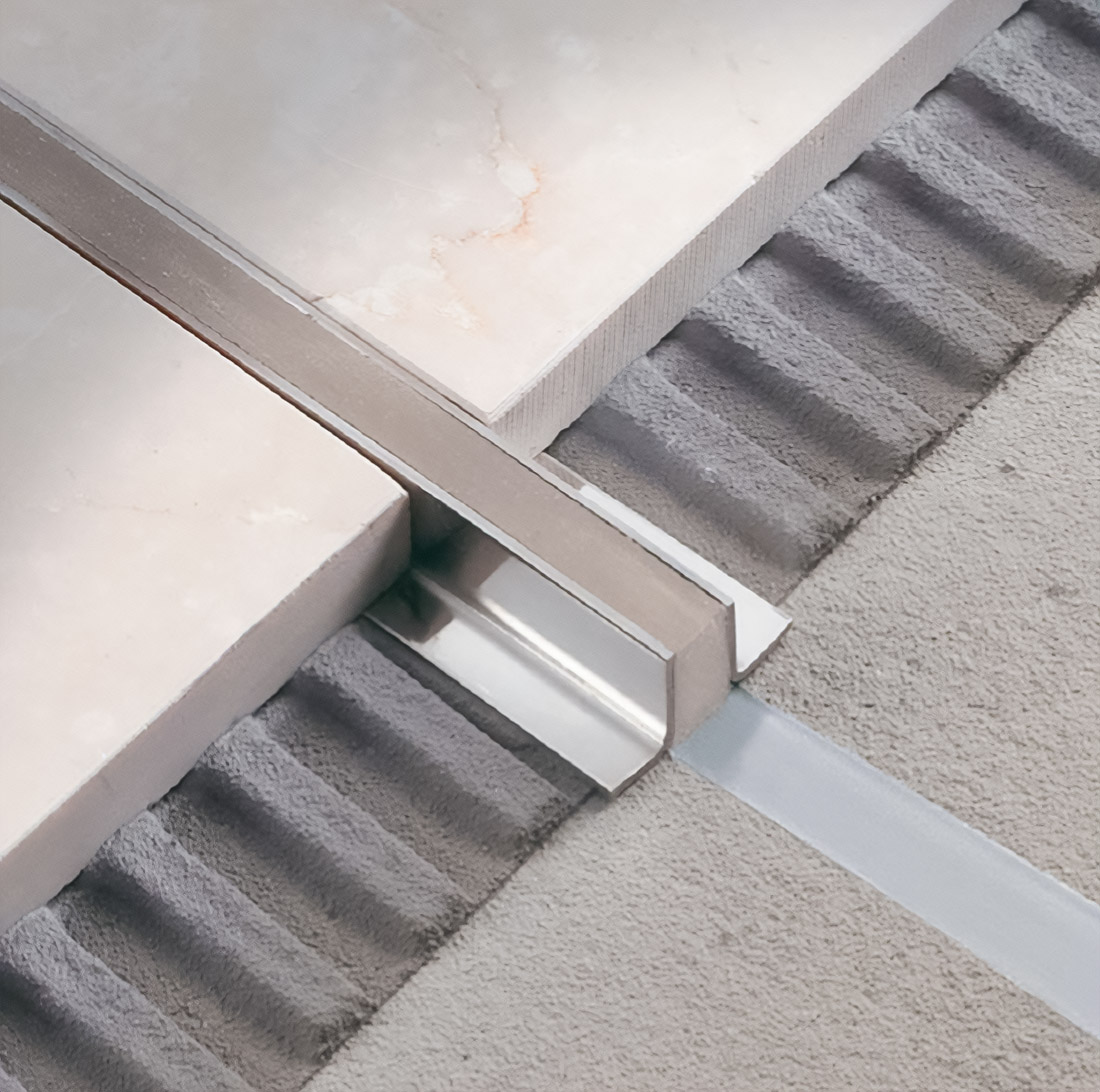
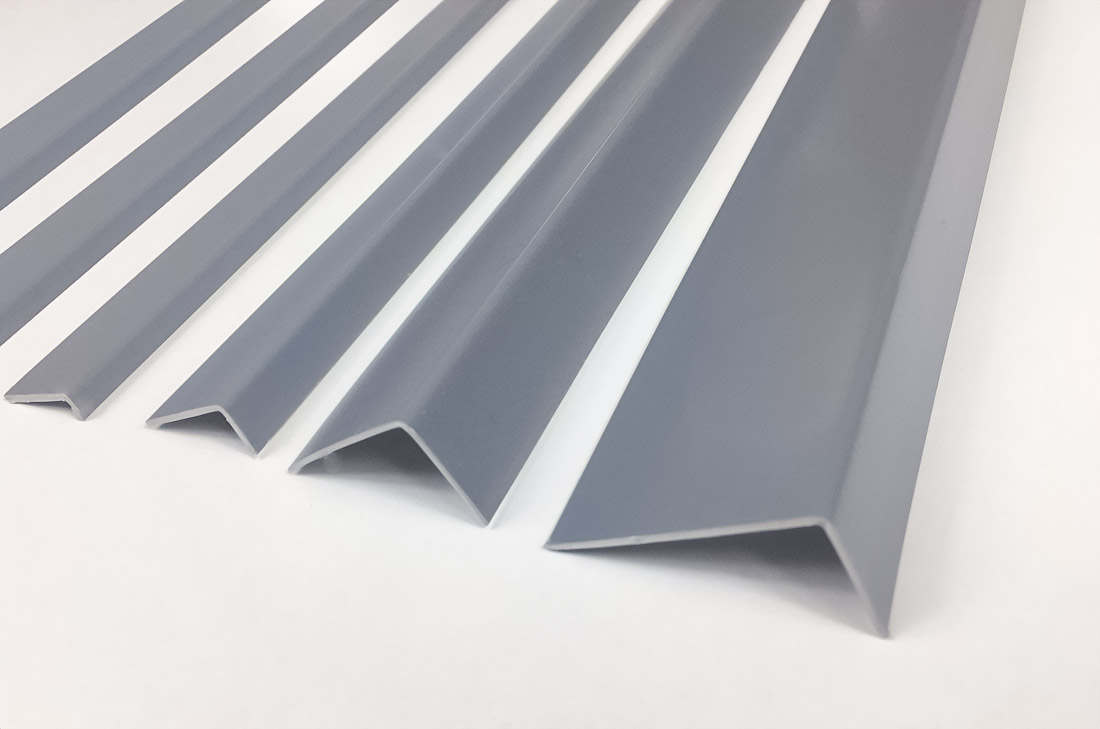
Anti-slip stair nosing can be made of metal, rubber, vinyl or GRP (glass-reinforced plastic). GRP benefits from the climate of the Emirates: it is lightweight, does not conduct electricity and can withstand high humidity and temperature. Its weight is only a third of the weight of steel, which simplifies installation and reduces the burden on workers. The thickness of the coating reaches 5 mm, which is enough to withstand an intense flow of people.
The 55 mm wide toe increases grip and reduces the risk of slipping. Manufacturers offer ready-made sizes: 800×345 mm, 1000×345 mm, 1200×345 mm, 2000×345 mm and even 3000×345 mm. These parameters allow you to quickly select an option for a specific staircase. The main difference from stickers and ribbons is that the grit is embedded in the material during production and does not wear off after years. Many solutions in this field are now developed in collaboration with aluminium trim manufacturers, who provide durable edge profiles and finishes that support both safety and design.
Educational Institutions and Risks
The dry statistics look alarming: from 2003 to 2015, almost 4,930 knee injuries, 3,985 ankle injuries and about 3,000 cases of back injuries related to sliding were recorded. More than half of the incidents 56% are caused by external conditions: moisture, dirt, insufficient lighting. In schools, the risk is higher: corridors are crowded, stairs are worn out, and students move quickly, not always carefully.
The surge in injuries is especially noticeable at the beginning of the school year, when hundreds of students simultaneously explore new routes. The solution is simple: the installation of anti-slip stair nosing and entrance mats designed for a load of over 400,000 passes per year. Such systems retain moisture and dirt, reduce cleaning costs and prolong the service life of floors.
Acoustic Safety and Concentration
We must not forget about another dangerous noise. A hum in the hallway, an echo in the classroom, bangs on the gym. Acoustic wall panels and sound proofing solve the problem: panels with NRC ≥ 0.70 effectively dampen reverberation. This is not just a convenience for teachers who stop shouting, but an improvement in concentration and a reduction in stress levels in children. In combination with safety padding and impact protection, the panels form an environment where the child not only learns, but also feels protected physically and psychologically.
Environmental Friendliness and New Standards
Today, safety is closely linked to the environment. Eco-friendly resin, created from recycled plastic bottles, is used for the production of coatings. One 220 kg drum allows you to remove about 1,800 bottles from circulation. These are not abstract statistics, but a real contribution to reducing waste and protecting ecosystems.
The anti-slip stair tread covers are tested according to BS7976-2, which guarantees grip even in conditions of moisture, dust or oil. The EN ISO 9239-1 standards confirm fire safety, which means safety in evacuation exits. The operational warranty reaches 7 years for mats and 5 years for stair nosing, making them a long-term solution.
Anti-slip stair nosing and stair tread covers are not a fashion trend, but a necessity for UAE educational institutions. They reduce the number of falls, increase the visibility of steps, and protect the health of children and teachers. By complementing their safety padding and acoustic wall panels, schools form a holistic system: durable materials, standardized dimensions, rigorous tests, eco-friendly manufacturing, and proven durability. All this turns an ordinary building into a safe space where learning is not interrupted by injury and noise.

I am an award-winning freelance writer who specializes in finance topics. With over ten years of experience, I have been published in the Wall Street Journal, the New York Times and numerous trade journals, including the Harvard Business Review.