
The Ultimate Dubai Skincare Routine: How to Protect Your Skin from Heat, UV Rays & Humidity
UAE Skincare Guide
Your skin in Dubai works harder than you think
Between summer temperatures that regularly cross 45°C, humidity levels near the coast that can push past 90%, and one of the highest UV indexes in the world, Dubai is not an easy place for your skin. The good news: a short, smart routine handles almost all of it.
Living in the UAE means your skin faces three things at once: intense sun, dry indoor air from constant AC, and heavy outdoor humidity the moment you step outside. Most skincare advice online is written for milder climates, so it often misses the mark here. This guide keeps things simple, in plain language, so you know exactly what to do morning and night, and why.
You don’t need a ten-step shelf. You need the right products used at the right time. Below we go through the numbers behind Dubai’s climate, then translate them into a routine you can actually stick to.
1. The sun is the real problem, not just the heat
Heat makes you sweat, but UV is what actually damages your skin over the long run. In Dubai, UV levels stay high even in “winter” months, and the light bounces off sand, glass towers and pool water, so you get hit from more than one direction.
The single most important product in your routine is sunscreen. Use a broad-spectrum SPF 50, apply it every morning as the last step, and reapply every 2 to 3 hours if you’re outside, driving with the window down, or sitting near a bright window at work. A gel or fluid texture usually feels better in the UAE than heavy creams. If you’re not sure which formula suits your skin type, a quick consultation at a dermatology clinic dubai can save you months of trial and error.
A hat, sunglasses and shade between 11am and 3pm are not optional extras. They are part of the routine.
Evening step
2. Humidity + AC = confused skin
One of the strangest things about UAE skin is that it can feel oily and dehydrated on the same day. That’s not in your head. It’s a real reaction to jumping between humid outdoor air and dry, cold indoor air.
When humidity is high, sweat and sebum sit on the skin, mix with sunscreen and makeup, and cause breakouts. When you walk into an office with AC blasting, the top layer of your skin dries out fast, which makes it produce even more oil to compensate.
The fix is lightweight hydration in layers. A gentle gel cleanser twice a day, a hydrating toner or essence with hyaluronic acid, and a light moisturizer. Skip heavy occlusive creams during summer, they trap sweat and cause clogged pores. Keep a facial mist in your bag for AC-heavy days.
3. Pigmentation and dullness are the local complaints
Ask any dermatologist working in Dubai what people come in for most, and you’ll hear the same answers: dark spots, uneven tone and that tired, dull look after summer. All three come from UV exposure, plus the stress the climate puts on your skin barrier.
A few gentle actives make a real difference. Vitamin C in the morning brightens and gives an extra layer of antioxidant protection. Niacinamide, used any time of day, calms redness and helps with pigmentation. A mild retinol or retinal at night speeds up cell turnover, but start slow, two nights a week, and always follow with a moisturizer. Chemical exfoliants like lactic acid, once or twice a week, keep skin from looking dull.
If dark spots are stubborn or spreading, don’t just stack more products. Book a professional review. Prescription-strength treatments and in-clinic options work faster and safer than guessing at home.
Your practical Dubai routine, in three cards
Morning
Gentle gel cleanser, vitamin C serum, lightweight moisturizer, broad-spectrum SPF 50. Reapply sunscreen every 2-3 hours outdoors.
Evening
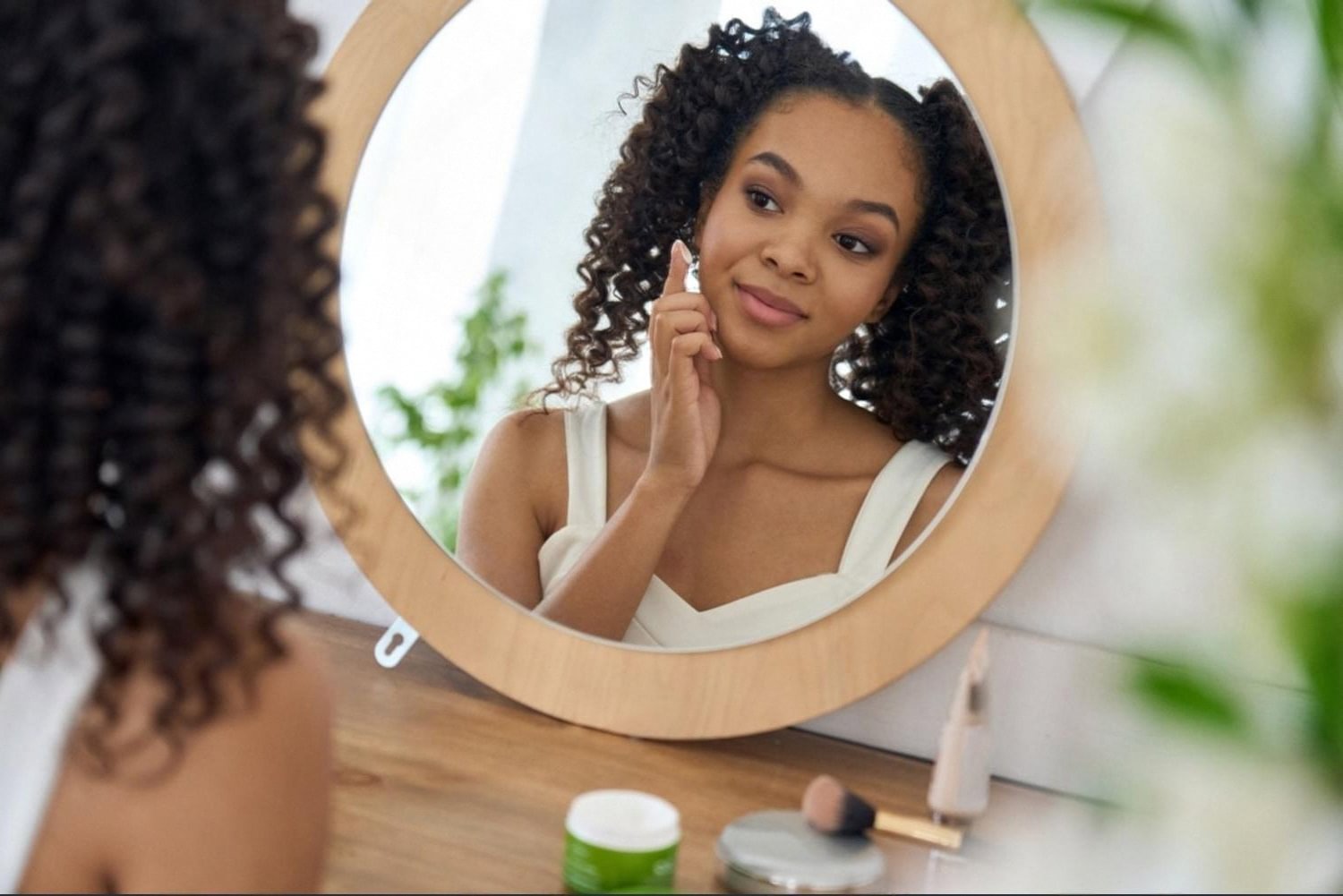
Double cleanse if you wore SPF or makeup. Hydrating toner, niacinamide, retinol 2-3 nights a week, then a light moisturizer to seal.
Weekly
One mild exfoliant session, one hydrating sheet mask or overnight mask. Drink 2-3 litres of water daily to support skin from the inside.
Common mistakes to skip
- Skipping sunscreen on cloudy or “cool” winter days. UV still gets through.
- Using heavy creams meant for European winters. They suffocate skin here.
- Over-cleansing after every sweaty walk. Twice a day is enough.
- Buying strong actives online without knowing your skin type.
- Ignoring the neck, ears and hands. They age faster than the face if unprotected.
Bottom line: a good Dubai routine is short, light and consistent. Cleanse, hydrate, protect in the morning; cleanse, treat, moisturize at night. Add SPF like your skin depends on it, because in this climate, it really does.
Frequently asked questions
Do I really need SPF 50 every day in Dubai, even indoors?
Yes. UV rays pass through windows, and Dubai’s UV index stays high most of the year. If you sit near a window at work or drive during the day, your skin is still getting exposure.
SPF 50 broad-spectrum, applied every morning and reapplied when you’re outdoors, is the single most effective anti-aging step you can take here.
My skin feels oily but tight at the same time. What’s going on?
That’s classic dehydrated skin, very common in the UAE. Humidity outside plus dry AC air indoors strips water from the top layer, and your skin responds by making more oil.
Use a hydrating toner or essence with hyaluronic acid, and switch to a light gel moisturizer. Keep a facial mist handy for long AC days.
Can I use retinol during Dubai summers?
Yes, but carefully. Use it only at night, start with two evenings a week, and always follow with a moisturizer. Never skip sunscreen the next morning.
If your skin gets red or peels, cut back or switch to a gentler option like retinal or bakuchiol until it settles.
How do I deal with dark spots that appeared after a summer holiday?
First, protect what you have. Daily SPF 50 stops new spots forming and existing ones from getting darker. Then add a vitamin C serum in the morning and niacinamide any time of day.
If the spots don’t fade in 2-3 months, see a dermatologist. Prescription creams or in-clinic treatments like chemical peels work much faster than at-home products alone.
Is drinking more water enough to keep my skin hydrated?
Water helps, but it isn’t the whole answer. Hydration inside your body and hydration on the surface of your skin are two different things.
You still need a topical hydrator (hyaluronic acid, glycerin) and a moisturizer to lock it in, especially with constant AC exposure.
What order should I apply my morning products?
Go from thinnest to thickest texture: cleanser, toner or essence, serum (like vitamin C), moisturizer, then sunscreen as the very last step.
Wait about a minute between each layer so products absorb properly instead of pilling.
Do men in the UAE need a skincare routine too?
Absolutely. Male skin faces the same UV, heat and humidity, and often more of it because of outdoor work or sport. A basic routine of cleanser, moisturizer and SPF 50 in the morning, plus a cleanser and moisturizer at night, covers most needs.

I am an award-winning freelance writer who specializes in finance topics. With over ten years of experience, I have been published in the Wall Street Journal, the New York Times and numerous trade journals, including the Harvard Business Review.